
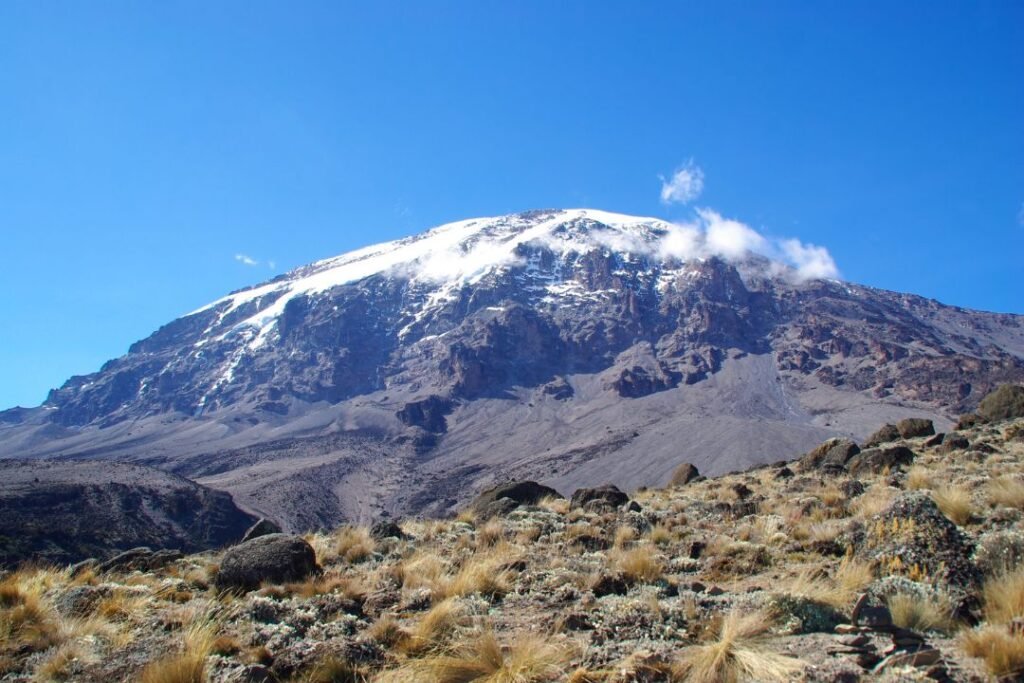
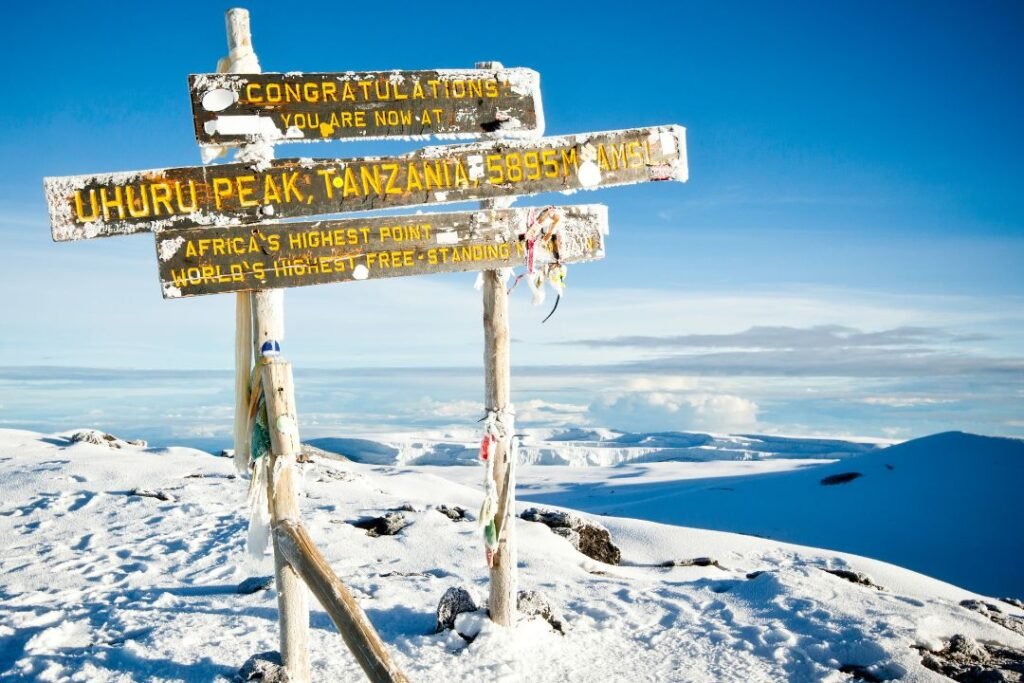
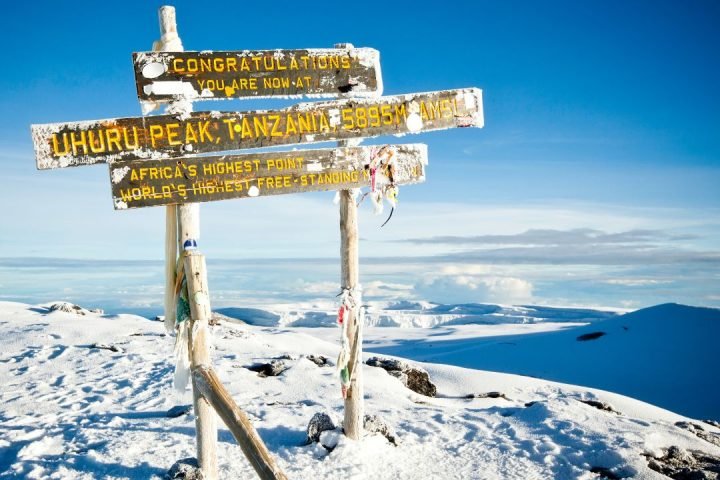
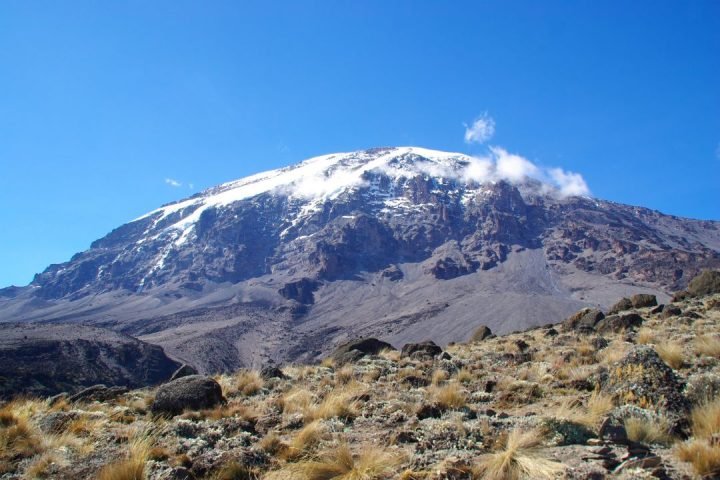
Mount Kilimanjaro is the highest mountain in Africa, rising to 5,895 meters (19,341 feet) above sea level. Located in northern Tanzania, near the town of Moshi and the border with Kenya, it is the tallest free-standing mountain in the world and one of the most iconic natural landmarks on Earth.
The mountain is made up of three volcanic cones: Kibo (dormant), Mawenzi (eroded), and Shira (extinct). Although long dormant, Kilimanjaro remains a striking geological wonder with its snow-capped summit visible for miles across the plains. In 1987, it was declared a UNESCO World Heritage Site in recognition of its natural and cultural value.
Kilimanjaro’s slopes host a series of ecological zones, from tropical rainforest and heathlands to alpine desert and glaciers at the summit. This dramatic shift in climate and vegetation makes it one of the most biodiverse mountains in the world.
Climbers from across the globe are drawn to Kilimanjaro because it is part of the Seven Summits—the highest peaks on each continent. Unlike many high mountains, reaching the summit does not require technical climbing skills, making it accessible to determined trekkers with proper preparation and acclimatization.
For the local Chagga people, Kilimanjaro holds spiritual and cultural importance, while for Tanzania as a whole it stands as a national symbol, appearing on the country’s coat of arms. At the same time, the mountain faces growing environmental challenges, including the rapid retreat of its glaciers due to climate change.
Today, Kilimanjaro remains the Roof of Africa, a destination of adventure, cultural heritage, and global scientific interest.
Geographic Size
Approx. 1,688 square kilometers (652 square miles)
Tribal Communities:
Chagga people on the southern slopes and Maasai communities on the plains.
Best Time to Visit
January to early March and June to October (dry seasons with clear trekking conditions).
5,895 meters (19,341 feet) above sea level — the highest mountain in Africa.
Unesco Status
Declared a World Heritage Site in 1987 for its natural and cultural significance.
1. Cultivation Zone (800–1,800 meters)
The lower slopes of Mount Kilimanjaro are home to fertile farmlands cultivated mainly by the Chagga people. This region benefits from volcanic soils and consistent rainfall, supporting crops such as bananas, coffee, and maize. It is also dotted with small villages and plantations, reflecting the close relationship between local communities and the mountain’s resources.
2. Montane Forest Zone (1,800–2,800 meters)
Above the farms lies a lush tropical rainforest that forms one of the most vital habitats on the mountain. This zone is rich in biodiversity, providing sanctuary for animals such as colobus monkeys, bushbucks, and a wide range of birds. The dense forest also plays a crucial role in capturing moisture from the atmosphere, feeding rivers that flow to surrounding regions.
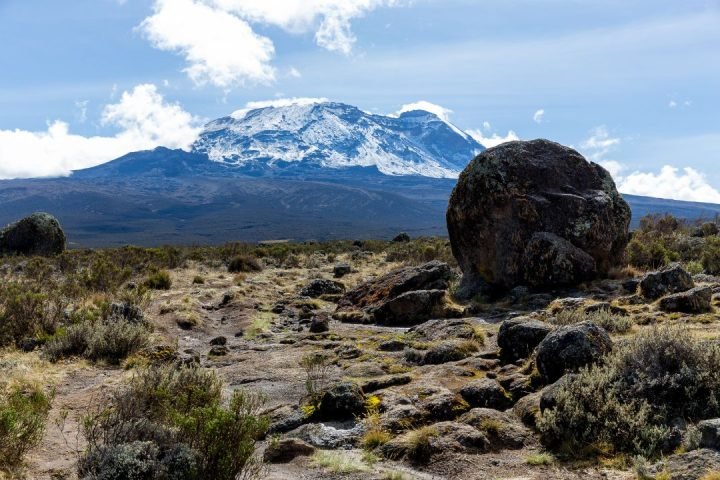
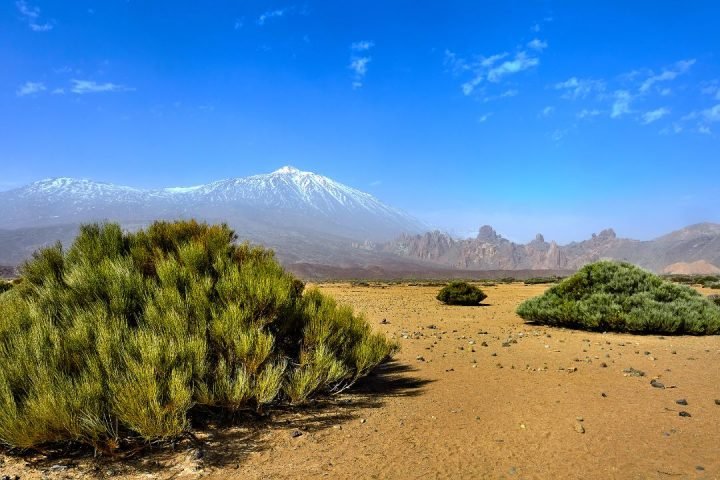
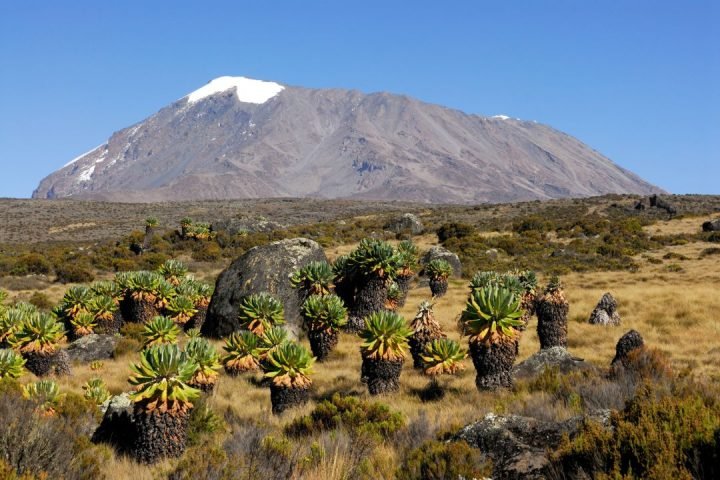
3. Heath and Moorland Zone (2,800–4,000 meters)
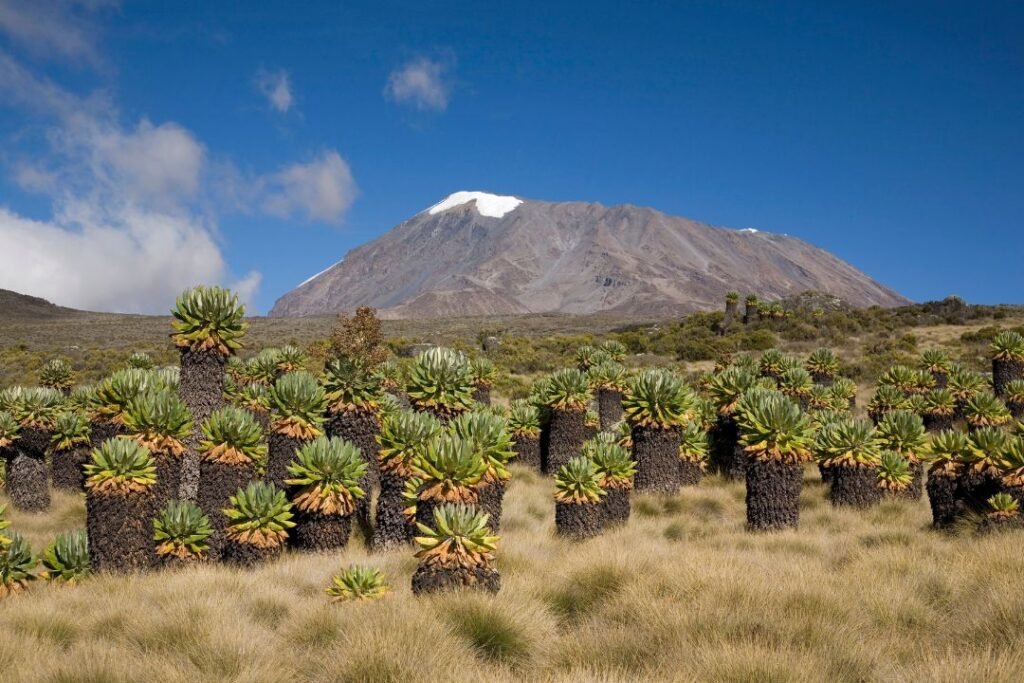
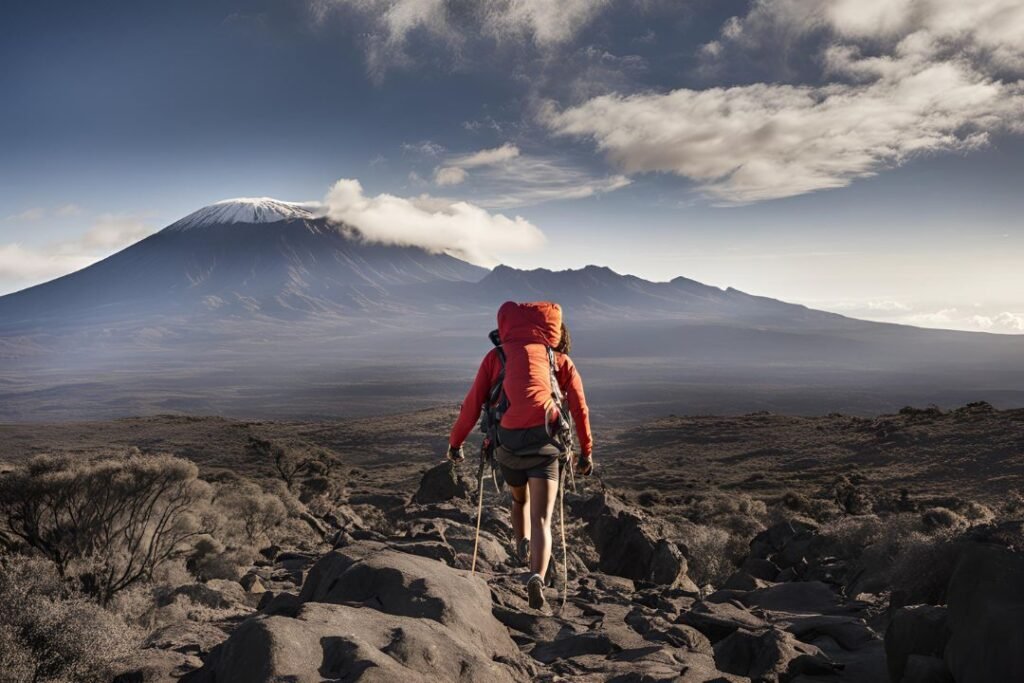
As altitude increases, the thick forest gives way to heathlands and moorlands dominated by giant heathers, lobelias, and senecio plants. Temperatures drop significantly, and nights can be cold. This zone offers stunning views across the plains and is often covered in mist, creating a mystical atmosphere that fascinates trekkers ascending the mountain.
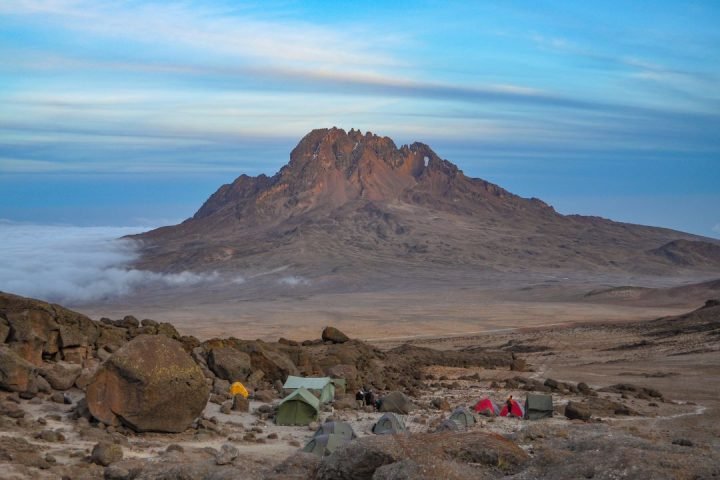
4. Alpine Desert Zone (4,000–5,000 meters)
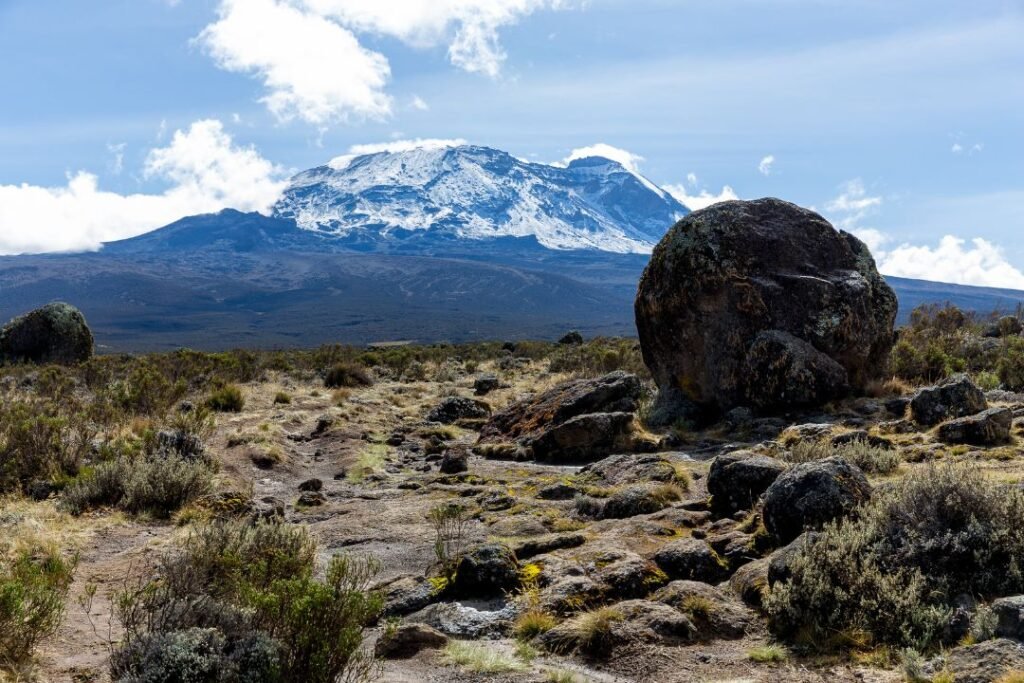
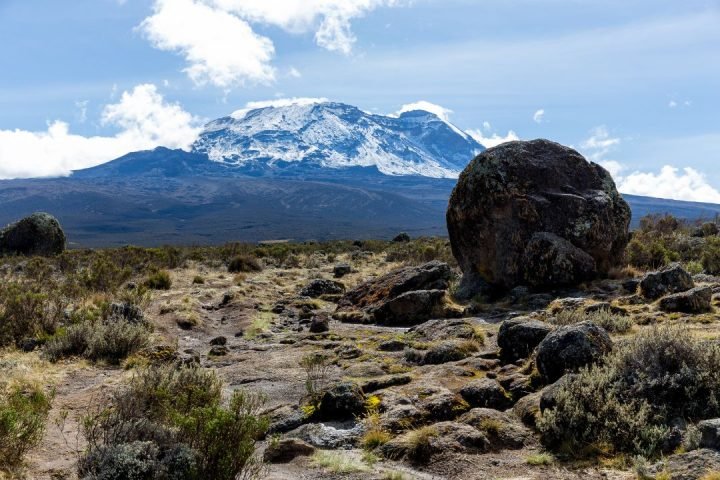
The alpine desert is a harsh, dramatic environment with intense sunlight during the day and freezing temperatures at night. Vegetation becomes sparse, and the landscape is marked by volcanic rock, ash, and scattered boulders. Despite its barrenness, this zone holds a stark beauty and a profound sense of solitude.
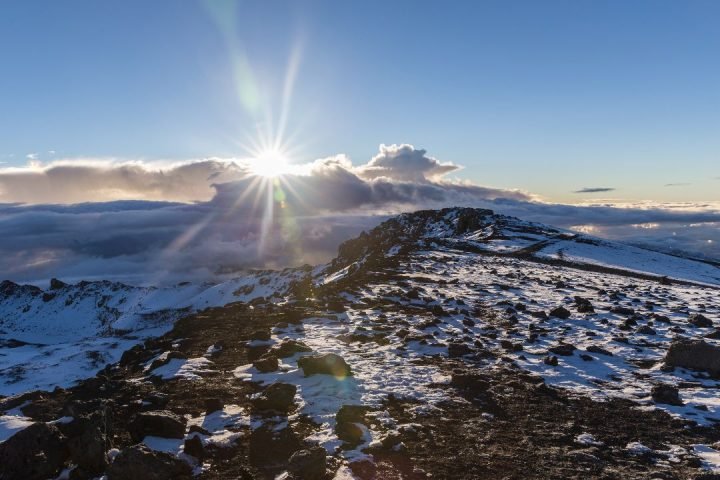
5. Arctic Summit Zone (Above 5,000 meters)
At the summit of Mount Kilimanjaro, trekkers encounter an icy world of glaciers, snowfields, and volcanic craters. Oxygen levels are low, and temperatures can drop well below freezing. The glaciers—though rapidly retreating due to climate change—remain one of the mountain’s most defining features, symbolizing both its majesty and fragility.
Mount Kilimanjaro Wildlife
Mount Kilimanjaro’s dramatic rise from the plains of northern Tanzania creates a series of unique habitats, each alive with its own rhythm of wildlife. From lush rainforests to misty moorlands and barren alpine deserts, the mountain’s ecosystems tell a story of adaptation, survival, and beauty.
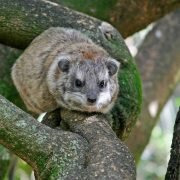
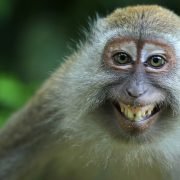
The lower montane forests are the beating heart of Kilimanjaro’s biodiversity. Here, blue monkeys swing between ancient trees, colobus monkeys flash their white tails through the canopy, and shy bushbucks and duikers wander through the dense undergrowth. Birdsong fills the air — from the melodic calls of turacos and hornbills to the dazzling colors of the Hartlaub’s turaco, a true gem of the forest. Smaller creatures such as tree hyraxes, genets, and civets add to the mountain’s rich web of life.
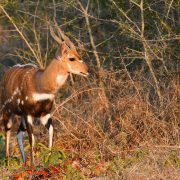
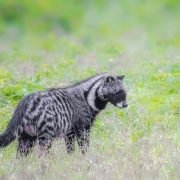
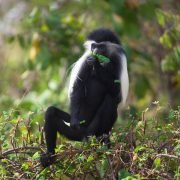
As the climb continues, the forests give way to open heath and moorland, where the air thins and vegetation transforms. Though large mammals grow scarce, these zones are home to fascinating high-altitude residents like Jackson’s chameleon and the vibrant Abyssinian sunbird. The surreal plants — towering lobelias and giant groundsels — make this region feel almost otherworldly.
Higher still, the alpine desert and summit zones seem lifeless at first glance, yet even here, nature endures. Hardy spiders, beetles, and the occasional white-necked raven can be seen navigating the stark volcanic slopes, perfectly adapted to Kilimanjaro’s extremes.
Beyond the mountain’s upper reaches, Kilimanjaro’s foothills open into wide plains shared with elephants, buffaloes, and leopards that roam between the mountain forests and nearby reserves such as Amboseli and Arusha National Parks. Together, they form an interconnected wilderness — a living reminder that Mount Kilimanjaro is more than just a climb; it is a thriving ecosystem that bridges Tanzania’s forests, highlands, and savannas.
Kilimanjaro Weather
Mount Kilimanjaro’s weather is as diverse as its habitats, changing dramatically from the base to the summit. At the lower slopes, the climate is warm and tropical, with regular rainfall that nourishes the lush forests and farmland of the Chagga communities. As you ascend into the montane and moorland zones, temperatures drop, winds strengthen, and mist often drifts across the trails, creating an ethereal, almost otherworldly landscape.
Above 4,000 meters, the alpine desert zone brings intense sun during the day, frigid nights, and dry, thin air that challenges climbers. The summit, soaring above 5,800 meters, is characterized by icy temperatures, snowfields, and glaciers, making preparation and acclimatization essential for success. Kilimanjaro experiences two main dry seasons — from January to early March and June to October — which are considered the best times for trekking. The rainy periods, from March to May and November to mid-December, bring lush scenery but wetter trails and occasional cloud cover.
Understanding Kilimanjaro’s ever-changing weather is key to a safe and rewarding climb, ensuring that each step toward the Roof of Africa is both exhilarating and well-prepared.
Ready to experience the adventure of a lifetime? Explore our Kilimanjaro tours designed for every level of climber, from beginners to seasoned trekkers. Each tour offers expert guides, detailed itineraries, and carefully planned routes to help you reach the summit safely and enjoyably. Whether you’re seeking a short 5-day trek or an extended multi-day adventure, our packages provide unforgettable views, cultural experiences, and the thrill of standing on Africa’s highest peak. Scroll through our tour options below to find the journey that’s right for you.
Start From
Per Person
Start From
Per Person
Start From
Per Person
Start From
Per Person
Start From
Per Person
Start From
Per Person
Start From
Per Person
Start From
Per Person
Start From
Per Person
Start From
Per Person
Mount Kilimanjaro is located in northern Tanzania, within the protected boundaries of Kilimanjaro National Park. Covering about 1,688 km² (652 mi²), the park safeguards the mountain’s ecosystems and wildlife. Kilimanjaro rises roughly 300 km (190 mi) south of the equator, near the town of Moshi, and only about 120 km (75 mi) from the Kenya-Tanzania border. Its strategic position makes it one of the most accessible high mountains in the world.
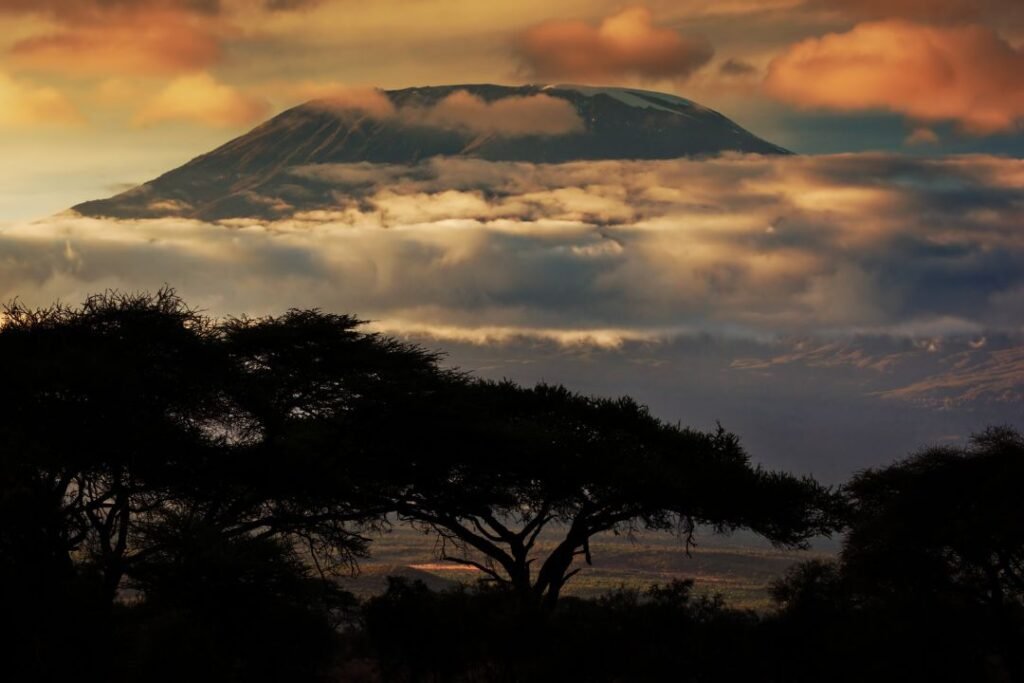
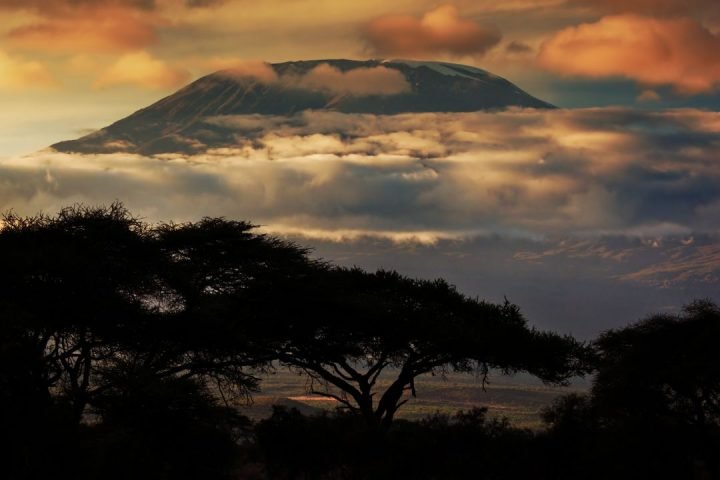
Rising abruptly from the surrounding savannah and farmland, Kilimanjaro dominates the East African landscape. Its snow-capped summit is visible from hundreds of kilometers away, reinforcing its status as the tallest free-standing mountain in the world.
Mount Kilimanjaro is a dormant stratovolcano, formed through a complex volcanic process over millions of years. Unlike volcanic ranges with many connected peaks, Kilimanjaro is a free-standing volcanic massif, which makes it the tallest free-standing mountain in the world.
Kilimanjaro consists of three main volcanic cones, each with a distinct history:
The volcanic activity produced fertile soils that today support rich agriculture on the lower slopes, particularly coffee and banana cultivation.
Kibo’s summit hosts the Furtwängler Glacier and other ice fields, remnants of a much larger ice cap that once covered the mountain. These glaciers are retreating rapidly due to climate change, making Kilimanjaro a key site for glaciology studies and environmental monitoring.
Kilimanjaro offers unique insights into:
Mount Kilimanjaro is famous not only for its height but also for its remarkable range of climates and distinct ecological zones, all stacked vertically along its slopes. This diversity makes the mountain a unique natural laboratory for scientists and an unforgettable experience for trekkers.
1. Montane Forest Zone (1,800 – 2,800 m / 5,900 – 9,200 ft)
2. Heath and Moorland Zone (2,800 – 4,000 m / 9,200 – 13,100 ft)
3. Alpine Desert Zone (4,000 – 5,000 m / 13,100 – 16,400 ft)
4. Arctic Summit Zone (5,000 – 5,895 m / 16,400 – 19,341 ft)
Climate Patterns
Kilimanjaro has two rainy seasons:
Long rains: March to May
Short rains: November to December
Best trekking months are generally January–February and June–October, when the weather is more stable and trails are drier.
For centuries, Mount Kilimanjaro has inspired awe and reverence. The Chagga people, who inhabit the fertile lower slopes, consider the mountain sacred, and it features prominently in local myths, traditions, and community life. Beyond its spiritual role, the mountain’s volcanic soils have supported agriculture, shaping the livelihoods of generations.
The first recorded European sighting of Kilimanjaro occurred in the mid-19th century, though Arab traders and local communities had long known its towering peaks. In 1889, Hans Meyer, a German geographer, together with Austrian mountaineer Ludwig Purtscheller, became the first documented climbers to reach the summit of Kibo, the highest cone. This historic ascent marked a milestone in mountaineering history and introduced Kilimanjaro to the global adventure and scientific communities.
Since then, Kilimanjaro has become a destination for trekkers, climbers, and researchers from around the world. Its unique position as the tallest free-standing mountain in Africa and as part of the Seven Summits challenge makes it both a recreational and scientific hotspot. Expeditions include everything from geological surveys and glaciology studies to recreational trekking, allowing visitors to experience diverse ecological zones and stunning landscapes.
Kilimanjaro’s history is not only about exploration but also preservation. The mountain faces ongoing challenges, including deforestation, climate change, and glacial retreat, prompting collaborative efforts to protect its environment. Today, Kilimanjaro represents a shared natural and cultural heritage, connecting people across generations and continents, and serving as a symbol of perseverance, environmental stewardship, and adventure.
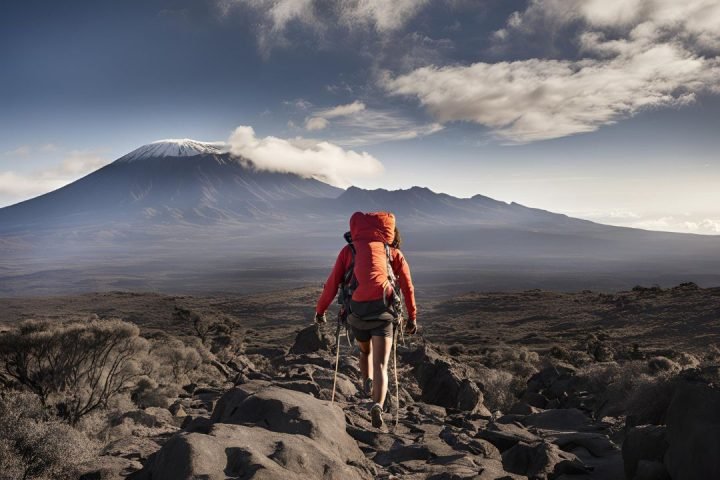
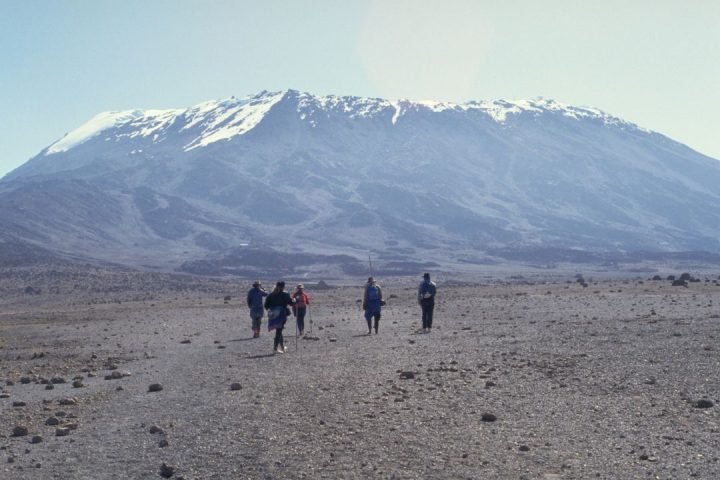
Climbing Mount Kilimanjaro is one of the most sought-after adventures in the world. Each year, thousands of trekkers are drawn to the mountain, eager to experience the thrill of standing on Africa’s highest peak. Kilimanjaro offers a range of trekking routes, each with unique landscapes, challenges, and cultural experiences. Whether you are a beginner or an experienced climber, there is a route tailored to your pace, preferences, and fitness level.
The Marangu Route, often called the Coca-Cola Route, is the most established path on Kilimanjaro. Famous for its hut accommodation along the way, this route offers a comfortable trek with well-marked trails. The ascent is gradual, making it one of the easier routes for beginners, while passing through lush montane forests and alpine moorlands before reaching Kibo’s summit.
For those seeking a more scenic and challenging climb, the Machame Route is a popular choice. It winds through dense rainforest, heathlands, and rocky alpine desert, offering stunning vistas at every turn. Known for its higher success rate for reaching the summit, Machame also provides trekkers with a sense of adventure while still being achievable for moderately experienced climbers.
The Lemosho Route is ideal for those wanting seclusion and panoramic views. Approaching Kilimanjaro from the west, it passes through remote forests and high-altitude plateaus, giving trekkers a chance to experience wildlife and fewer crowds. Its longer duration allows better acclimatization, which increases the likelihood of a successful summit.
Starting from the northern side near Kenya, the Rongai Route offers a drier, less trafficked ascent. It features gentle slopes in the early stages and dramatic views of Mawenzi’s jagged peaks, making it perfect for travelers who prefer a quieter and more peaceful trekking experience.
The Northern Circuit Route is the longest route on Kilimanjaro, circling the mountain and providing the most panoramic views. Trekkers enjoy a full journey through multiple ecological zones and the chance to witness Kilimanjaro’s glaciers up close. Its longer duration also improves acclimatization, making it suitable for those aiming to maximize summit success.
The Umbwe Route is the steepest and most direct path, recommended for fit, experienced climbers seeking a physically demanding challenge. The Shira Route, approaching from the west, offers a gentle ascent across high-altitude plateaus with dramatic scenery, gradually merging with the Lemosho route.
Kilimanjaro’s diversity of trekking routes allows travelers to tailor their adventure to their fitness level, preferred scenery, and schedule. Along the way, trekkers encounter everything from tropical rainforests and moorlands to alpine deserts and icy summits, making the journey as memorable as reaching the peak itself.
Mount Kilimanjaro is a remarkable natural treasure, but it faces several urgent environmental and conservation challenges that threaten its long-term survival.
Retreating Glaciers
Deforestation and Habitat Loss
Tourism Impact
Each year, tens of thousands of climbers impact the mountain through:
Sustainable Tourism and Conservation Efforts
Initiatives focus on:
Kilimanjaro’s conservation story is about more than preserving ice or forests—it is about protecting a shared heritage that sustains livelihoods, inspires travelers, and symbolizes the importance of global environmental responsibility.
Montane Forest Zone (1,800 – 2,800 m / 5,900 – 9,200 ft)
Dense tropical forests with ferns, mosses, and towering camphorwood and fig trees.
Wildlife includes:
Blue monkeys, black-and-white colobus monkeys, and bushbucks.
Rich birdlife with species such as the Hartlaub’s turaco and silvery-cheeked hornbill.
This zone receives the most rainfall and provides vital water catchment for local communities.
Heath and Moorland Zone (2,800 – 4,000 m / 9,200 – 13,100 ft)
Characterized by heath shrubs, giant groundsels, and lobelias adapted to cooler climates.
Notable fauna:
Small mammals like hyraxes.
Birds such as the scarlet-tufted malachite sunbird.
Landscape features unique plants that have adapted to cold nights and strong UV radiation.
Alpine Desert Zone (4,000 – 5,000 m / 13,100 – 16,400 ft)
Sparse vegetation due to low rainfall and extreme temperature shifts.
Plant life is limited to hardy grasses, lichens, and mosses.
Animal life is rare, though spiders, beetles, and occasional birds may be spotted.
Arctic Summit Zone (5,000 – 5,895 m / 16,400 – 19,341 ft)
Virtually lifeless due to freezing temperatures and low oxygen.
Covered with ice fields, glaciers, and snow, though these are rapidly retreating.
Unique Biodiversity and Conservation Value
Kilimanjaro is recognized as a UNESCO World Heritage Site for its biodiversity.
Its ecological zones offer habitats for both endangered species and endemic plants found nowhere else.
Protecting this biodiversity is crucial for global conservation efforts and for maintaining the ecological balance of northern Tanzania.
Cultural and Spiritual Significance
National Identity and Global Symbol
Economic Contributions
Thousands of jobs are created through:
Cultural Exchange and Community Benefits
Climbing Mount Kilimanjaro is a once-in-a-lifetime adventure, but success depends on careful preparation, proper gear, and safe practices. While thousands reach the summit each year, altitude, weather, and physical exertion can pose challenges if not well-managed.
| Preparation Area | Recommendations | Why It Matters |
|---|---|---|
| Training Timeline | Start 8–12 weeks before the climb; build a consistent routine. | Builds endurance and reduces injury risk during multi-day trekking. |
| Cardio Fitness | Hiking, stair climbing, cycling, and running. | Improves stamina for long trekking days and uphill sections. |
| Strength Training | Legs, core, and back exercises (squats, lunges, planks). | Supports carrying gear, reduces fatigue, and improves balance. |
| Practice Hikes | Long walks with a loaded backpack; include back-to-back hiking days. | Simulates real trekking conditions and speeds recovery adaptation. |
| Flexibility & Recovery | Stretching, mobility work, foam rolling, and yoga sessions. | Reduces muscle strain and helps prevent overuse injuries. |
Altitude and Acclimatization
Altitude sickness is the most common challenge on Kilimanjaro, with symptoms like headaches, nausea, and dizziness.
Reduce risks by:
Choosing longer routes (e.g., Lemosho or Northern Circuit) for gradual acclimatization.
Following the principle of “climb high, sleep low.”
Staying hydrated, eating well, and resting adequately.
Medication such as acetazolamide (Diamox) may help, but consult a doctor before use.
Essential Gear and Packing Tips
Health and Safety Considerations
Practical Climbing Tips
Choosing the best time to climb Kilimanjaro can greatly influence your experience, from weather conditions to crowd levels and summit success rates. Although the mountain can technically be climbed year-round, some months provide a more comfortable and rewarding adventure.
🌞 Dry Seasons (Best Conditions)
The two dry seasons are considered the best times for climbing:
These seasons provide the highest summit success rates, as conditions are more predictable and trails are less muddy.
🌧️ Rainy Seasons (Challenging Conditions)
🌍 Climatic Zones and Weather at the Summit
Even in dry seasons, Kilimanjaro’s diverse climatic zones mean trekkers experience everything from tropical heat to alpine cold:
Montane Forest (2,000–3,000 m): Lush, with occasional showers.
Alpine Desert (4,000–5,000 m): Dry, dusty, with strong sun during the day and freezing nights.
Summit (5,895 m): Arctic-like conditions, often below freezing even in the dry season.
| Months | Conditions | Recommended For |
|---|---|---|
| Jan – Mar | Clear skies, warm, fewer climbers | Trekkers seeking less-crowded routes |
| Apr – May | Heavy rains, muddy trails, poor visibility | Not recommended (unless seeking solitude) |
| Jun – Oct | Dry season, stable weather, busiest period | Best overall conditions and summit success |
| Nov | Short rains, occasional showers | Experienced trekkers accepting wetter conditions |
| Dec | Transition month, moderate weather | Good alternative if Jan–Mar is not possible |
Kilimanjaro’s seasons reflect nature’s rhythm — dry months offer clearer skies and stable paths, while the rains bring challenge and solitude.
The Main Kilimanjaro Routes
| Route | Duration | Difficulty | Highlights | Summit Success Rate |
|---|---|---|---|---|
| Marangu | 5–6 days | Moderate | Hut accommodation, shortest path | 60–75% |
| Machame | 6–7 days | Challenging | Diverse scenery, gradual acclimatization | 85–90% |
| Lemosho | 7–8 days | Moderate to Challenging | Less crowded, very scenic | ~90% |
| Rongai | 6–7 days | Moderate | Quieter, drier route, views from the north | 60–70% |
| Northern Circuit | 9–10 days | Moderate | Longest route, 360° views, best acclimatization | ~90% |
| Umbwe | 5–6 days | Very Difficult | Steepest, most direct path | 50–60% |
Choosing the best Kilimanjaro route depends on your fitness level, available time, and personal preference. If you’re looking for the highest success rates and stunning scenery, the Lemosho, Machame, or Northern Circuit routes are excellent choices. Climbers with limited time often consider the Marangu or Rongai routes, though acclimatization can be more challenging. The Umbwe route, while direct and adventurous, is recommended only for highly experienced trekkers due to its steep terrain and lower success rates.
Hut Accommodation:
Available only on the Marangu Route, huts provide basic but comfortable sleeping spaces with mattresses, shared bathrooms, and protection from the elements. Ideal for trekkers who prefer less packing and moderate physical challenge.
Tented Accommodation:
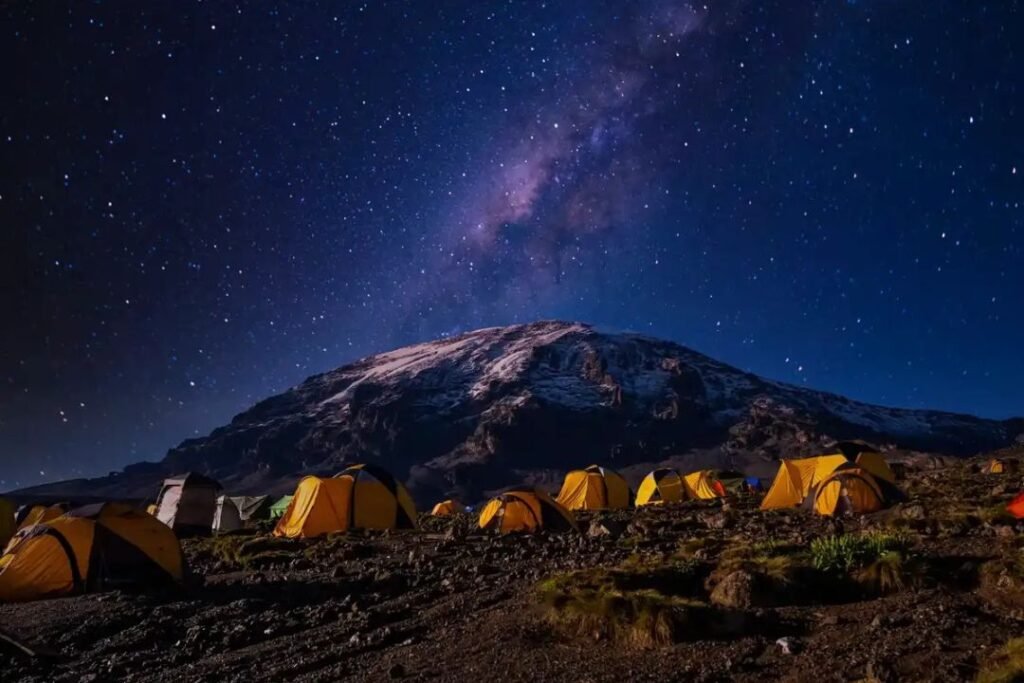
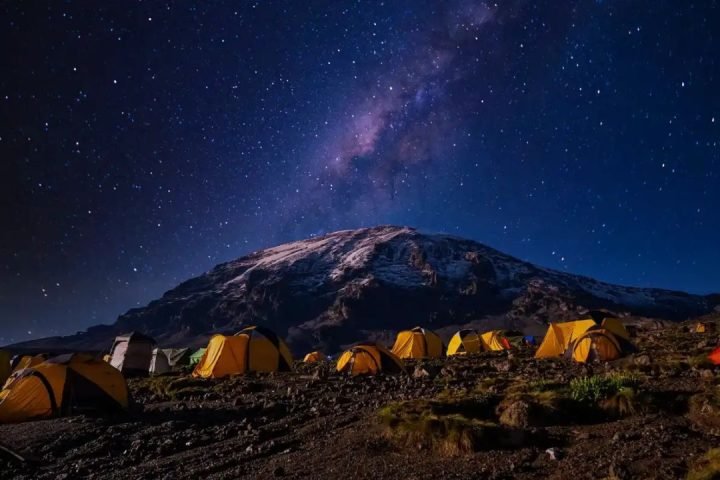
Most other routes, including Machame, Lemosho, Rongai, Umbwe, and Northern Circuit, rely on tents. These tents are typically high-quality, two-person tents with thick sleeping mats. Experienced guides and porters set up camp at each night stop, allowing trekkers to enjoy comfort even in remote areas.
Typical Base Camp Experience
| Route | Accommodation Type | Comfort Level | Notes |
|---|---|---|---|
| Marangu | Huts | Moderate | Shared rooms, basic bedding, meals in dining huts |
| Machame | Tented Camps | Comfortable | Two-person tents, sleeping mats, porters set up camps |
| Lemosho | Tented Camps | Comfortable | Less crowded, scenic campsites, gradual acclimatization |
| Rongai | Tented Camps | Comfortable | Drier route, quieter camps, fewer trekkers |
| Northern Circuit | Tented Camps | Comfortable | Longest route, excellent acclimatization, remote scenery |
| Umbwe | Tented Camps | Basic to Moderate | Steep route, fewer facilities, experienced trekkers only |
Climbing Mount Kilimanjaro requires official permits and fees, which support conservation, park management, and local communities. Understanding these costs upfront helps trekkers budget accurately and ensures a smooth experience. Fees vary slightly depending on the route, number of trekking days, and park policies, but the main categories are consistent across climbs.
| Fee Type | Estimated Cost (USD) | Notes |
|---|---|---|
| Kilimanjaro National Park Entry | $70–90 per day | Covers conservation, rangers, and park services |
| Camping / Hut Fees | $30–50 per night | Huts on Marangu Route; tents on all other routes |
| Rescue / Insurance Fee | $20–25 | Mandatory for emergency support and rescue |
| Guide & Porter Fees | $250–350 per guide; $150–200 per porter | Hiring certified guides is mandatory; porters help carry equipment |
Notes & Tips
Clothing Essentials
Proper clothing is crucial because Kilimanjaro spans multiple climate zones, from tropical rainforest at the base to arctic conditions at the summit.
Footwear
Technical Gear
Personal & Health Essentials
Optional Comfort Items
Quick Kilimanjaro Packing Tips
| Category | Items | Notes |
|---|---|---|
| Clothing | Base layers, fleece jackets, down jackets, waterproof jacket & pants, trekking pants & shorts, T-shirts, long-sleeve shirts, gloves, hats, socks, gaiters | Layering is key; moisture-wicking fabrics recommended |
| Footwear | Trekking boots, camp shoes/sandals, high-quality socks, liner socks | Break in boots before trek to prevent blisters |
| Technical Gear | Backpack (30–40L), sleeping bag (-10°C / 14°F), headlamp & extra batteries, trekking poles, water bottles/hydration system, sunglasses, sunscreen | Essential for comfort, safety, and summit attempt |
| Personal & Health | First aid kit, blister pads, painkillers, antiseptic, toiletries, wet wipes, snacks/energy bars, water purification tablets, camera/phone | Altitude sickness medication recommended; consult a doctor |
| Optional Comfort | Earplugs & eye mask, journal/notebook, lightweight sitting mat | Improves sleep and camp comfort, especially on multi-day treks |
Climbing Mount Kilimanjaro is a life-changing adventure, but it requires careful attention to health and safety. High altitudes, variable weather, and challenging terrain mean climbers must be well-prepared to ensure a safe and enjoyable trek. This guide provides essential health tips and safety advice for anyone planning a Kilimanjaro climb.
Altitude Sickness Prevention
General Health & Hygiene
Safety on the Trails
| Tip | Description |
|---|---|
| Gradual ascent | Prevents altitude sickness and increases summit success. |
| Hydration | Drink frequently and avoid alcohol or excessive caffeine. |
| Layering clothing | Adjust to rapidly changing weather and temperature zones. |
| Certified guides | Essential for safety, navigation, and emergency support. |
| Health check | Consult a doctor before trekking for altitude and fitness advice. |
The best months to climb Kilimanjaro are during the dry seasons:
While no technical skills are required, physical preparation is important. Focus on:
Most routes take between 6 to 9 days, depending on acclimatization needs and the chosen path. Longer routes (Lemosho, Northern Circuit) have higher success rates because they allow your body more time to adjust to the altitude.
You’ll need layered clothing for different climate zones, sturdy boots, a warm sleeping bag, trekking poles, and personal essentials. (See our Kilimanjaro Packing List above for a complete breakdown.)
EXCELLENTVerified Safaris and more Very good experience in the contracted services, exceeded expectations, thanks to all the staff for their professionalism and good vibes in all the safarisPosted onVerified Zanzibar Excellent, attention, cleanliness and friendly,🥰💪.Highly recommended to go visit and know the traditional customs of the placePosted onVerified Exceeded our expectations by far especially the safari at the Serengueti Excellent company, we were a group of 13 people, and the coordination and quality of service was impeccable, Mr Antipas was attentive to everything, taking care of all the details from the beginning to the end.Thankful for everything , we hope to return soon.hug from ArgentinaPosted onVerified Tanzania a place to discover Dear Antipas sincerely I am very grateful for everything you gave us, I feel lucky to have been in your country sincerely I will leave Tanzania very happy.I've known things I've never seen before, animals I never imagined having so close. Thanks for your management.. Happy and lucky to be here, I recommend 100% to this company, for providing a quality service, I recommend night at the Serengueti, I recommend coming to the Safari in Tanzania..And feel super comfortable, well organized and feel very accompanied even by their managers I recommend to live your own experience and stop reading people who think for their opinion and were never in this magnificent Reservation of the Great African Angel from Argentina 🇹🇿🇦🇷Posted onVerified Kilimanjaro tour Highly recommended company! I did the tour to Kilimanjaro with a friend and it was hard but the team was super! And also the trip was done with some collaboration with the Nicas kindergarten, a very nice community project that I also recommend to check out.Posted onVerified Great Safari Our Safari with Leen Adventures was such a great experience! We went on a 5 day Safari including Ngorogoro and Serengeti and except for the Leopard saw everything we could have hoped for! The pictures and memories will last! Thanks a lot!We are so glad that we enjoyed the assitance of Leen adventures. Communication was always qucik, straight forward and super helpful. Also after the safari we stayed in contact and were able to explore stunning waterfalls and hot springs in the Moshi area thanks to Leen Adventures. Knowing that the money also provides support for the community school, the dog shelter and several artists in the area which we were able to visit, makes me even further recommend this agency. We will defnietly come back, maybe for Kili this time ;)Posted onVerified Spectacular Safari Adventure: A Thrilling 3 Day Adventure into the Heart of Wildlife Wonder Our safari tour with Leen Adventures was a truly remarkable experience. Our guide David did an excellent job, The well planned itinerary of 3 day safari to Lake Manyara, Ngorongoro Crater and Tarangire National Park, comfortable accommodations, excellent customer service, and commitment to conservation and community engagement were all outstanding. I highly recommend Leen Adventures to anyone looking for an unforgettable safari adventure.Posted onVerified The best local guide I highly recommend local guide Leen Adventures. They organize many trips to beautiful places in Tanzania. I visited a hidden waterfall and a lake overlooking the mountains. It was amazing view! ♥️Bardzo polecam lokalnego przewodnika Leen Adventures. Organizują wiele wycieczek do pięknych miejsc w Tanzanii. Odwiedziłam ukryty wodospad i jezioro z widokiem na góry. Widok był niesamowity! ♥️Posted onVerified Great local travel agent, reinvesting profits for the development of the village Fantastic! Whether you want to make a big popular tour (Kilimanjaro, Safaris), or you want to discover hidden gems in Tanzania - such as Materuni waterfall - you are in good hands with Lee adventures. Local travel agent, with competitive prices, they reinvest into the sustainable development of the community.Also, by booking with a local tour operator, you avoid exploiting local workers, and they get a fair pay and treatment.Thank you Antpas and to all the team!Posted onVerified An incredible experience ever during the Kili Climb My girlfriend and I had a fantastic time climbing Kilimanjaro with the best tour company, Leen Adventure. They really looked after us, from the airport pick-up to the accommodation before and after the climb, and the food at the mountain was a restaurant level, with our chef James accommodating vegetarian dietary restrictions. Each day, our chef (stomach engineers), waiter, and porters assisted in setting up our camp and preparing snacks and warm meals for us. They even went so far as to greet us each morning with coffee in our tent to enhance the overall experience. Medicines such as Diamox were available and oximeter, our crew was key to our success in reaching the summit!!The price was quite fair, the equipment was in excellent condition, the administration and up-front information were perfect. Will certainly recommend Leen Adventures because you will be filled with gratitude and enthusiasm for everyone you meet :-)NOTEThe difficulty of reaching the summit should not be underestimated, train extensively and avoid taking the shortest route on this expedition, spend more days for better acclimatization because altitude is the worst enemy on this adventure.